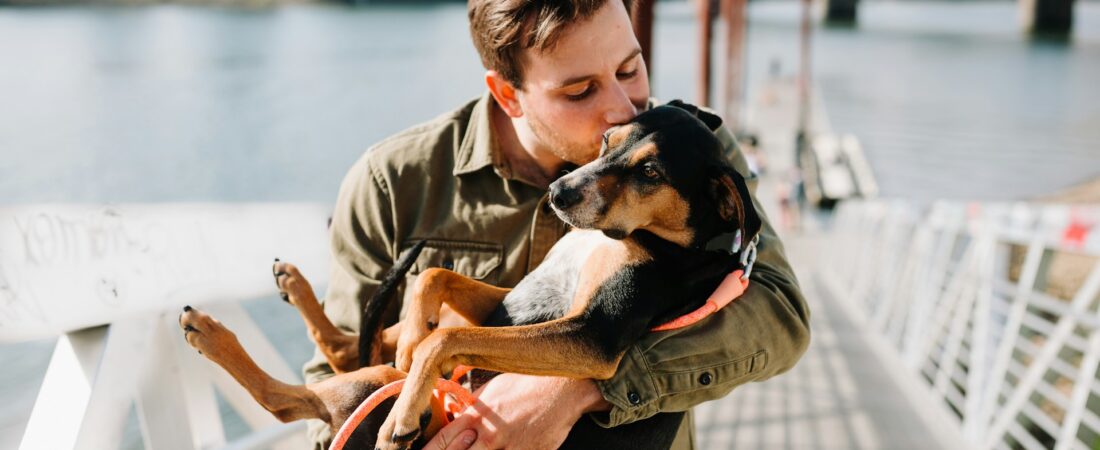
Losing a beloved pet can leave a deep emptiness. They were more than an animal. They were part of your daily life, your routines, and your family. The grief that follows is real, and it’s okay if it feels overwhelming.
Learning how to deal with pet loss doesn’t mean forgetting your companion or moving on quickly. It means finding healthy ways to process your grief while honoring the bond you shared. Healing takes time, and everyone experiences pet loss differently.
This guide shares practical ways to cope with the pain, care for yourself through the grieving process, and keep your pet’s memory alive as you move forward one day at a time.
Here’s the next section, written for SEO, readability, and emotional resonance without becoming repetitive.
Why Losing a Pet Hurts So Much

Many people are surprised by how intense pet loss can feel. The truth is that the relationship you build with a pet is unique. They offer unconditional love, constant companionship, and comfort without expecting anything in return.
Pets become part of everyday life. They greet you at the door, join you on walks, curl up beside you, and bring a sense of routine to each day. When they’re gone, it’s not just their presence you miss. It’s the quiet moments, familiar habits, and unconditional connection that disappear too.
Unlike many human relationships, the bond with a pet is often free from judgment or conflict. They provide emotional support during difficult times and celebrate life’s happiest moments simply by being there. Losing that source of comfort can leave a profound sense of loneliness.
Grief after losing a pet can also bring unexpected emotions, including:
- Sadness and frequent crying
- Guilt over decisions or things left unsaid
- Anger or frustration
- Loneliness and emptiness
- Trouble sleeping or changes in appetite
- Difficulty concentrating
- Relief if your pet had been suffering, followed by guilt for feeling that way
There is no “right” way to grieve. Some people begin to feel better after a few weeks, while others need months or longer. Your relationship with your pet was personal, so your healing journey will be personal too.
Recognizing that your grief is valid is one of the first and most important steps toward healing. You don’t have to justify your pain or compare it to anyone else’s. The love you shared was real, and it’s natural for that love to leave a lasting impact after your pet is gone.
10 Practical Ways to Deal with Pet Loss
Grief doesn’t follow a schedule, and there isn’t a single “correct” way to heal. What matters is finding healthy ways to process your emotions while giving yourself the time you need. These practical steps can help you cope with pet loss and gradually move forward.
1. Allow Yourself to Grieve
Don’t pressure yourself to stay strong or hide your emotions. Cry if you need to. Talk about your pet. Some days will feel harder than others, and that’s completely normal.
Grieving is not a sign of weakness. It’s a reflection of the love and bond you shared.
2. Talk to Someone You Trust
Sharing your feelings can make the weight of grief feel a little lighter. Reach out to a close friend, family member, or someone who understands the loss of a pet.
If the people around you don’t understand your grief, consider joining a pet loss support group where others have had similar experiences.
3. Create a Memorial for Your Pet

Finding a meaningful way to honor your pet can bring comfort. A memorial doesn’t have to be elaborate. The goal is to celebrate the life you shared together.
You might:
- Frame a favorite photo.
- Plant a tree or flowers in their memory.
- Create a scrapbook.
- Keep their collar or favorite toy in a special place.
- Write a letter expressing everything you wish you could say.
4. Stick to a Healthy Routine
Grief can make everyday tasks feel exhausting, but maintaining simple routines helps bring stability.
Try to:
- Eat regular meals.
- Stay hydrated.
- Get enough sleep.
- Spend time outdoors.
- Move your body with a short walk or light exercise.
Small habits can make difficult days feel a little more manageable.
5. Let Go of Unnecessary Guilt
Many pet owners replay their final days, wondering if they could have done something differently.
Ask yourself whether you’re holding yourself to an impossible standard. In most cases, decisions were made with love and the information available at the time. Showing yourself compassion is an important part of healing.
6. Express Your Feelings in Creative Ways
Sometimes emotions are easier to express than explain.
You could:
- Keep a journal.
- Write stories about your favorite memories.
- Draw or paint your pet.
- Create a photo album.
- Make a memory box filled with meaningful keepsakes.
Creative expression can help preserve treasured memories while easing emotional pain.
7. Take Your Time Before Getting Another Pet
Some people adopt another pet quickly, while others wait months or even years. There isn’t a right or wrong timeline.
A new pet should never feel like a replacement. Instead, welcome another companion only when you feel emotionally ready to build a new relationship.
8. Be Patient With the Healing Process
Healing rarely happens in a straight line. You may feel better one week and deeply emotional the next.
Birthdays, adoption anniversaries, or familiar places may bring fresh waves of grief. This doesn’t mean you’re moving backward. It simply shows how meaningful your pet was in your life.
9. Focus on the Happy Memories
As time passes, try to shift your attention from the pain of losing your pet to the joy they brought into your life.
Look through old photos, remember funny moments, or share stories with loved ones. Smiling at those memories doesn’t diminish your grief—it honors the life you shared together.
10. Ask for Professional Support if You Need It
Sometimes grief becomes so overwhelming that it affects daily life for an extended period. If you’re struggling to work, sleep, eat, or care for yourself, speaking with a mental health professional can help.
Seeking support isn’t a sign that you’re grieving “wrong.” It’s a healthy step toward healing and finding ways to cope with your loss.
Things to Avoid While Grieving

Grief can make you vulnerable to habits that slow the healing process. While there is no perfect way to cope with pet loss, avoiding these common mistakes can help you move through your grief in a healthier way.
Don’t Rush Yourself
Healing takes time. You may feel pressure to “move on” because your pet was an animal, but your loss is real. Give yourself permission to grieve at your own pace.
Don’t Bottle Up Your Emotions
Ignoring your feelings won’t make them disappear. If you feel like crying, cry. If you want to talk about your pet, do it. Acknowledging your emotions is an important part of healing.
Don’t Isolate Yourself
It’s natural to want some time alone, but withdrawing completely can make grief feel even heavier. Stay connected with people who care about you, even if it’s just a short conversation or a walk together.
Don’t Blame Yourself
Many pet owners wonder if they could have done more. While it’s normal to reflect on difficult decisions, constant self-blame only adds to your pain.
Remember that you cared for your pet with love and made the best choices you could with the information you had.
Don’t Compare Your Grief to Others
Everyone experiences pet loss differently. Some people recover more quickly, while others need much longer. Your journey is unique, and there is no timeline you have to follow.
Don’t Feel Pressured to Get Another Pet Right Away
Friends or family may suggest getting another pet to ease the loneliness. While this works for some people, others need time before opening their hearts again.
Only consider adopting another pet when it feels right for you, not because you feel obligated.
Don’t Ignore Your Physical Health
Grief can affect both your mind and body. Try to eat nourishing meals, stay hydrated, get enough rest, and spend a little time outside each day.
Taking care of yourself doesn’t mean you’ve forgotten your pet. It gives you the strength you need to heal.
By avoiding these common pitfalls, you can give yourself the space and compassion needed to process your loss. Healing doesn’t mean leaving your pet behind. It means learning to carry their memory with love while continuing to care for yourself.
Conclusion
Learning how to deal with pet loss is one of the hardest journeys many pet owners will ever face. Grief doesn’t disappear overnight, and there is no timeline for healing. What matters most is allowing yourself to mourn, caring for your emotional well-being, and remembering that the love you shared with your pet will always be part of your life.
As time passes, the pain often becomes easier to carry, while the happy memories grow stronger. Honor your pet in ways that feel meaningful, lean on others when you need support, and be patient with yourself through every stage of grief.
Your pet may no longer be by your side, but the joy, comfort, and unconditional love they gave you will stay in your heart forever. Those memories are a lasting reminder of a bond that can never truly be lost.
